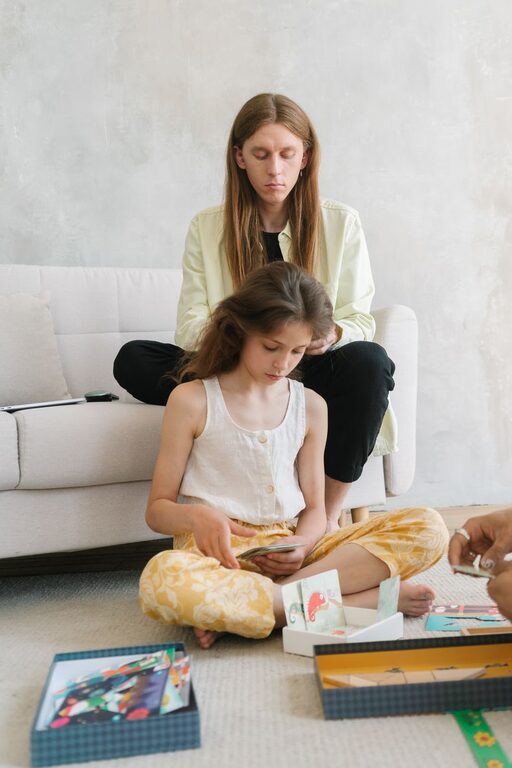
Family game night is a simple way to spend quality time together without leaving home. You do not need a large collection of games, a complicated schedule, or a perfect living room setup. With a little planning, an ordinary evening can become a fun tradition that everyone looks forward to.
Whether your family enjoys board games, card games, puzzles, or creative challenges, there are plenty of ways to make game night enjoyable for different ages and interests.
Start With a Simple Game Night Plan
A relaxed plan helps the evening run smoothly while leaving room for everyone to have fun. Choose a regular night, such as Friday or Saturday, or schedule game night whenever your family has free time.
Before the evening begins, decide:
- How long game night will last
- Which games you might play
- What snacks or drinks to serve
- Where everyone will sit
- Whether younger children need shorter activities
Try not to plan too many games. Two or three activities are usually enough for one evening. It is also helpful to choose games with different styles, such as a quick card game followed by a longer board game.
Choose Games for Different Ages
A successful family game night gives everyone a chance to participate. If players have very different ages, choose games with easy rules and flexible difficulty levels.
Games for young children
Young children often enjoy games that are short, colorful, and easy to understand. Matching games, simple counting games, picture bingo, and beginner board games are good choices.
Look for activities that:
- Use simple instructions
- Take less than 20 minutes
- Do not require advanced reading
- Allow children to make choices
Older family members can help younger players without taking over. Offering small reminders or reading cards aloud keeps the game welcoming and helps children build confidence.
Games for older children and teens
Older children may enjoy strategy games, word games, trivia, and team challenges. Choose games that allow players to think, plan, and laugh together.
You can also let children take turns choosing the game. Giving them some control makes them more interested in joining and teaches them how to make group decisions.
Games for the whole family
When everyone is playing together, cooperative games can be especially enjoyable. In these games, players work toward a shared goal instead of competing against one another.
Other family-friendly choices include:
- Classic board games
- Card games with simple rules
- Charades
- Word guessing games
- Drawing games
- Trivia with questions for different ages
If a game is too difficult for younger players, adjust the rules. Shortening the playing time, removing complicated features, or pairing players into teams can make almost any activity more accessible.
Try a Themed Game Night
A theme can make game night feel special without requiring much extra work. Choose a theme based on your family’s interests, favorite foods, or the time of year.
Travel night
Pretend to visit a different country or city. Serve a simple snack inspired by that location and play geography trivia, map games, or travel-themed guessing games.
Movie night games
Choose a favorite movie series and create trivia questions about the characters, settings, and memorable moments. You can also play a guessing game using movie quotes or sound effects.
Color night
Pick one color and use it for decorations, snacks, and tableware. Play games that involve collecting cards, sorting objects, or finding items around the house in that color.
Classic games night
Bring out older games that parents or grandparents enjoyed growing up. Share a short story about each game and compare how the rules or playing styles have changed over time.
Add Creative Homemade Games
You do not need store-bought games for an entertaining evening. Many activities can be made with paper, pencils, household objects, and a little imagination.
Try making a family trivia game. Each person writes several questions about favorite foods, hobbies, pets, holidays, or funny family memories. Mix the questions in a bowl and take turns reading them.
You can also create a drawing challenge. Write different subjects on slips of paper, such as an animal, a place, or an object. One player chooses a slip and draws the subject while everyone else tries to guess it.
Other homemade ideas include:
- Paper airplane contests
- Indoor scavenger hunts
- Alphabet category games
- Story-building games
- Memory challenges
- Household object guessing games
These activities are easy to change based on the ages and interests of the players.
Make Snacks Part of the Fun
Simple snacks can add to the excitement of game night. Choose foods that are easy to eat and unlikely to make a mess around game pieces.
Good options include:
- Popcorn
- Cut fruit
- Vegetable sticks
- Crackers and cheese
- Small sandwiches
- Pretzels
- Cookies or homemade treats
Use small bowls or individual plates to help keep the game table organized. You can also create a snack station away from the game area so players can take breaks without crowding the table.
For a special touch, let one family member choose the snack each week. This gives everyone a chance to contribute to the tradition.
Keep the Atmosphere Relaxed
The goal of family game night is to spend time together, not to create a perfect competition. Set a friendly tone before the first game begins.
Encourage players to:
- Take turns patiently
- Explain rules kindly
- Celebrate good ideas and creative moves
- Accept wins and losses gracefully
- Help younger players understand the game
If someone becomes frustrated, take a short break or switch to a different activity. Some families find it helpful to include a no-elimination rule, so nobody has to sit out for a long time.
You can also add a fun award at the end of the evening, such as “best team player,” “most creative guess,” or “best sportsmanship.” These awards keep the focus on participation rather than winning.
Let Everyone Take a Turn Leading
Family game night becomes more engaging when each person has a role. One person can choose the game, another can prepare snacks, and someone else can explain the rules or keep track of time.
Rotating responsibilities gives children a chance to practice organization and communication. It also prevents one person from doing all the planning.
For younger children, simple jobs such as handing out pencils or choosing the first color can make them feel included.
End With a Family Favorite
Consider ending every game night with a short activity that everyone knows and enjoys. This could be a quick card game, a round of charades, or a shared puzzle.
A familiar closing activity creates a sense of routine and gives the evening a satisfying finish. You can also ask each person to name their favorite moment and suggest an idea for the next game night.
Family game night does not need to be elaborate. A comfortable space, a few simple games, and a willingness to laugh together are enough. By trying different themes, including homemade activities, and choosing games that suit everyone’s abilities, your family can create a tradition filled with connection and lasting memories.
About the Author