A bedroom refresh does not require new furniture, expensive artwork, or a complete renovation. With a few thoughtful changes, you can make the space feel cleaner, calmer, and more comfortable while keeping costs under control.
The key is to focus on changes that have a big visual impact. Rearranging furniture, improving lighting, adding textiles, and reducing clutter can transform a room without a major investment. Use the steps below to create a bedroom you enjoy coming home to.
Start With a Simple Plan
Before buying anything, take a close look at your bedroom. Notice what feels outdated, crowded, uncomfortable, or unfinished. Then decide what you want the room to feel like.
Your goal might be a space that is:
– Calm and restful
– Bright and cheerful
– Warm and cozy
– Clean and minimal
– More organized and practical
Choose two or three words to guide your decisions. This will help you avoid buying items that look appealing on their own but do not work well together.
Set a spending limit before you begin. Make a short list of possible updates and rank them by importance. For example, replacing worn bedding may be more useful than adding decorative accessories.
Declutter and Deep Clean
One of the most affordable ways to refresh a bedroom is to remove items you no longer use. Clutter can make even a well-decorated room feel stressful and smaller than it is.
Start with visible surfaces such as:
– Nightstands
– Dressers
– Shelves
– Window ledges
– The floor around the bed
Sort items into three groups: keep, donate, and recycle or discard. Try to keep only the things that are useful, meaningful, or attractive.
After decluttering, give the room a thorough cleaning. Dust light fixtures, wipe baseboards, clean mirrors, vacuum beneath the bed, and wash curtains if the fabric allows. Fresh, clean surfaces can make old furniture look much better.
If storage is limited, use boxes, baskets, or containers you already own. Labeling simple containers can also make it easier to keep the room organized.
Rearrange the Furniture
You may not need new furniture to create a different look. Try moving the bed or changing the position of other large pieces.
Before rearranging, consider:
– How easily you can walk around the bed
– Whether the bed receives natural light
– How doors and drawers open
– Whether the room feels balanced
– Where electrical outlets are located
Place the bed where it feels comfortable and practical. If possible, leave clear walking space on both sides. Move extra chairs, small tables, or storage pieces away from crowded areas.
Take a photo of the room before and after each arrangement. Photos can help you notice balance and spacing more clearly than looking at the room in person.
Refresh the Bedding
The bed is usually the largest feature in a bedroom, so changing the bedding can make an immediate difference. You do not need to replace every piece. Begin with the item that looks most worn.
Affordable options include:
– A new duvet cover
– A quilt or lightweight blanket
– Two decorative pillow covers
– Fresh sheets
– A textured throw blanket
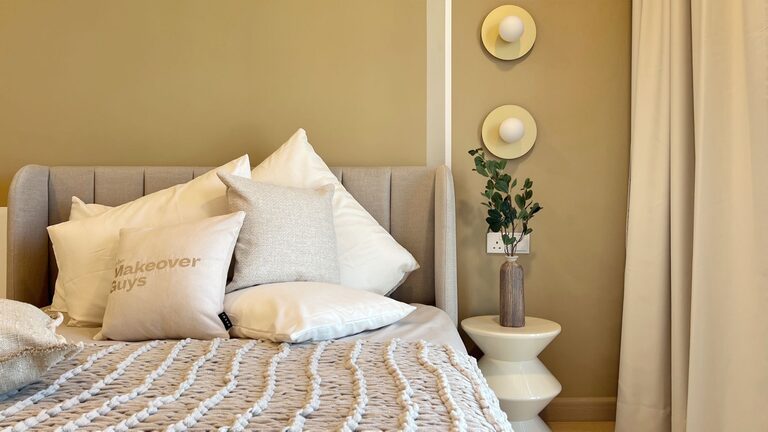
Choose a simple color palette with two or three main shades. Neutral bedding can be updated with colorful pillows or a blanket, while patterned bedding may look best with solid accessories.
To create a layered look, place the sheets and main cover on the bed first. Fold a blanket across the bottom third, then add a few pillows in different sizes. Keep the arrangement simple so the bed remains comfortable rather than overly decorative.
Improve the Lighting
Lighting can change the mood of a room without requiring a large purchase. A single bright ceiling light may be practical, but softer layers usually create a more relaxing atmosphere.
Consider adding or updating:
– A bedside lamp
– A small floor lamp
– Warm-toned light bulbs
– Battery-powered accent lights
– A simple dimmer if compatible with your fixture
Place a lamp near the bed for reading or other evening activities. If you already have a lamp, replace the shade or add a new bulb before buying a completely new fixture.
Use natural light whenever possible. Clean the windows, remove heavy items from the sill, and choose light curtains if you want the room to feel brighter during the day.
Add Personality With Low-Cost Decor
Small decorative items can make a bedroom feel more personal. Look for pieces that add color, texture, or visual interest without creating clutter.
Budget-friendly ideas include:
– Framed prints from free online sources
– A mirror from a thrift store
– A vase filled with dried branches
– A small plant or easy-care greenery
– A handmade wall hanging
– A tray for perfume, books, or small objects
Create a simple gallery wall using postcards, family photos, or inexpensive prints. Keep the frames similar in color for a coordinated appearance. You can also display a favorite scarf, fabric sample, or calendar in a frame for an inexpensive piece of art.
Thrift stores, secondhand marketplaces, and local clearance sections can be useful for finding unique accessories. Before purchasing, ask whether the item is easy to clean and whether it fits your room’s color scheme.
Use Textiles to Add Comfort
Textiles are an easy way to make a bedroom feel warmer and more inviting. A rug, curtain, or throw can add softness without changing the structure of the room.
If a large rug is outside your budget, place a smaller rug beside the bed or at the foot of it. Even a compact rug can make the floor feel more comfortable and help define the sleeping area.
Curtains can also change the character of a room. Hang them close to the ceiling and let them reach near the floor if possible. This can make the windows appear taller. If your current curtains are in good condition, consider washing or steaming them before replacing them.
For a quick update, add one or two textured items, such as a knitted blanket or cotton cushion covers. A few carefully chosen layers are usually more effective than filling the room with accessories.
Try a Small DIY Project
A simple DIY project can give your bedroom a custom look while keeping costs low. Choose a project that matches your skills and the time you have available.
Ideas include:
– Painting a small accent wall
– Refreshing a wooden nightstand
– Replacing drawer handles
– Creating a headboard from fabric or plywood
– Decorating plain storage boxes
– Making a photo display with string and clips
If you paint, test a small area first and check how the color looks in both daylight and artificial light. For furniture, clean and lightly sand the surface before applying paint or stain. Follow the product instructions and allow enough drying time.
You can also update a headboard without replacing it. Drape a large piece of fabric behind the bed, hang a woven wall piece, or create a padded panel using basic materials.
Keep the Refresh Organized
Once the room looks the way you want, create simple habits to maintain it. Spend a few minutes each evening returning items to their proper places. Keep a laundry basket nearby and avoid allowing clothes to collect on a chair or floor.
Use the surfaces around your bed carefully. A small tray can hold everyday items, while a drawer or basket can hide less attractive essentials. Review your belongings every few months and remove anything you no longer need.
Refreshing a bedroom on a budget is less about buying more and more about making better use of what you already have. By cleaning, rearranging, updating textiles, improving lighting, and adding a few personal details, you can create a comfortable space that feels new without spending a fortune.
About the Author