
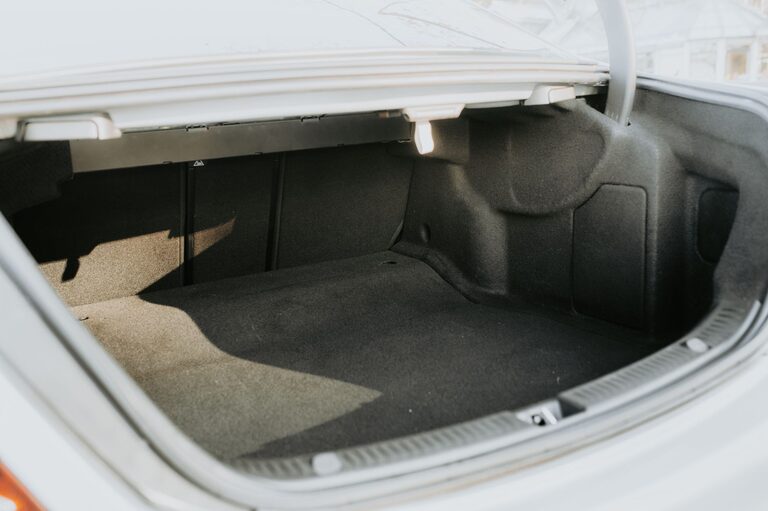
A clean, organized car is more comfortable, easier to use, and safer to drive. When everything has a place, you spend less time searching for lost items and less effort dealing with clutter. Keeping your vehicle tidy does not require expensive products or hours of work. A few practical habits can make a noticeable difference.
Whether you drive every day or only use your car occasionally, these simple steps can help you maintain a cleaner and more organized interior.
Start With a Complete Reset
Before creating a long-term routine, remove everything from the car. Take out trash, personal items, shopping bags, sports equipment, paperwork, and anything else that does not belong there.
Place the items into three groups:
– Keep in the car
– Take into the house
– Throw away or recycle
Check common hiding places, including:
– Under the seats
– Door pockets
– The glove compartment
– The center console
– The trunk
– Seat-back pockets
– Cup holders
Removing everything gives you a clear view of the available space. It also helps you decide what you actually need to carry. Try not to return items simply because they have always been in the car.
Create a Place for Everything
Organization is easier when each item has a specific home. Store frequently used items where they are easy to reach, while keeping less-used items in the trunk or another secure area.
For example:
– Keep sunglasses in a small console compartment.
– Store charging cables in a zippered pouch.
– Place tissues in a door pocket or holder.
– Use the trunk for reusable shopping bags.
– Keep a small umbrella in a side compartment.
– Store emergency supplies together in one container.
Avoid filling every available space. A car can become difficult to maintain when storage areas are packed too tightly. Leave enough room to put items away quickly after each trip.
Use Simple Storage Tools
The right organizers can prevent loose items from moving around the car. Choose storage products that fit your vehicle and can be secured properly.
Useful options include:
Trunk organizers
A folding trunk organizer can separate groceries, cleaning products, tools, and other supplies. Look for one with handles and adjustable sections so it can fit different loads.
Seat-back organizers
These are useful for families or passengers who need access to books, water bottles, tissues, and small electronics. Select a design that does not interfere with visibility or passenger comfort.
Small pouches
Zippered pouches are helpful for organizing cables, coins, parking supplies, and other small items. Using separate pouches makes it easier to find what you need without emptying a compartment.
Cup holder inserts
Cup holders often collect crumbs, dust, and spills. Removable inserts can make them easier to clean and can also help hold smaller items in place.
Avoid placing loose objects on the dashboard or near the pedals. Items should never block your view or interfere with driving controls.
Follow the One-Minute Rule
At the end of every trip, spend about one minute putting things away. Take out food wrappers, empty bottles, receipts, and anything you brought into the car.
This small habit prevents clutter from building up. It is much easier to remove a few items each day than to clean an overflowing vehicle at the end of the month.
Before leaving the car, check:
– The front seats
– The floor
– The cup holders
– The door pockets
– The back seat
– The trunk
If you have children, encourage them to take their belongings with them. A simple routine can make everyone responsible for keeping the car tidy.
Use a Car-Friendly Trash Solution
A small trash container or reusable car trash bag can prevent wrappers and tissues from ending up on the floor. Choose one that is leak-resistant, easy to remove, and simple to empty.
Place it somewhere convenient but secure. Empty it regularly, especially if it contains food packaging or used tissues. Do not allow trash to remain in the car for long periods, since odors can develop quickly.
A container with a washable lining is a practical choice for handling small spills.
Clean Spills as Soon as Possible
Fresh spills are usually easier to clean than old, dried stains. Keep a few basic supplies in the car or at home, such as:
– Microfiber cloths
– Water
– Mild interior cleaner
– Soft brushes
– Paper towels
– A small bag for used cloths
Blot liquid instead of rubbing it deeply into the fabric. For larger spills, follow the instructions for the seat or carpet material. Test any cleaner on a small hidden area first to make sure it does not damage or discolor the surface.
Do not soak seats, carpets, or electronic controls. Excess moisture can create new problems and may take a long time to dry.
Keep a Regular Cleaning Schedule
A regular schedule makes car care feel manageable. A quick weekly cleanup and a deeper monthly cleaning are often enough for many drivers.
Weekly cleaning
Spend 10 to 15 minutes on basic tasks:
– Remove trash and personal items.
– Shake out or vacuum floor mats.
– Wipe the dashboard and console.
– Clean visible fingerprints from doors and screens.
– Empty the trunk of unnecessary items.
– Check for new spills or stains.
Monthly cleaning
Once a month, give the interior more attention:
– Vacuum the seats, floors, and gaps.
– Clean the inside of the windows.
– Wipe door panels and storage compartments.
– Clean the steering wheel and other frequently touched surfaces.
– Wash rubber floor mats.
– Review the contents of the glove compartment and trunk.
A seasonal deep clean can include moving the seats forward and backward to reach hidden dirt and checking all storage areas.
Protect the Interior
Prevention can reduce cleaning work. Use floor mats that are easy to remove and wash, especially during rainy or snowy weather. Seat covers may also help protect upholstery from pets, children, or frequent passengers.
Keep food and drinks in sealed containers whenever possible. Reusable bottles with secure lids are less likely to spill than open cups. If you transport muddy equipment, wet clothing, or gardening supplies, place them in a durable bin or waterproof bag first.
For pets, use a washable seat cover or cargo liner. Brush off loose dirt before it enters the vehicle, and keep a towel nearby for wet paws.
Organize Important Documents
Keep essential vehicle documents in one safe, easy-to-find location. A slim folder in the glove compartment can hold the owner’s manual, service records, registration information, and other useful paperwork.
Remove old receipts, expired documents, and unrelated papers. Avoid storing valuable personal information in plain sight. When you no longer need a document in the car, take it inside and file or recycle it.
Make the Routine Easy to Maintain
The best organization system is one you can use without much effort. Avoid complicated setups that require several steps to put items away. Use visible labels, simple containers, and storage locations that make sense.
Every few weeks, ask yourself:
– What items do I use most often?
– What has not been used recently?
– Which areas become messy first?
– Is anything difficult to reach or clean?
– Can I remove or replace a storage container?
Adjust your system as your needs change. A car used for commuting may need different storage from one used for family trips, hobbies, or road travel.
Final Thoughts
Keeping your car clean and organized is mostly about small, consistent actions. Remove clutter after each trip, give important items a dedicated place, clean spills quickly, and follow a simple weekly routine. With these habits, your car can stay more comfortable, functional, and pleasant without requiring a major cleaning project every time.
About the Author